Storing wine is crucial to enjoy its taste properly. Many people tend to underestimate the importance of this process, almost nullifying the value of very expensive bottles, but wine experts sure know how important it is. Here at Carpineto we take care of each and every bottle of wine we produce, storing it in our cellars with attention and delicacy, and now we are here to share with you our suggestions.
After bottling, wine undergoes further changes. Bottle aging, also known as bottle refinement, involves additional maturation of the wine, allowing it to develop its full organoleptic qualities.
The longevity of a wine depends on its composition: in particular, acids, alcohol, sugars, tannins, and mineral substances. The higher the concentration of these components in a wine, the longer it will last. This concentration is influenced by both intrinsic factors related to the grapevine and harvest time (such as sugar and acid content in the must, tannins found in the grape skins and seeds) and oenological practices during winemaking or wood aging prior to bottling. In general, it can be stated that wines that are high in alcohol, tannins (in the case of red wines), aged in wood, sweet, and rich in extracts will have a longer aging potential compared to dry white wines with lower alcohol content, reduced acidity, and aged in stainless steel tanks. The aging period can vary significantly, ranging from 6 months to over twenty years or even longer.
Regarding the storage of bottled wine, it's essential to create the right environment, typically a home cellar that meets specific requirements. Only in such conditions can wine be stored for an extended period while it matures. In other cases, it's advisable to consume the purchased wine within a few months, regardless of its type. The goal is not to push wine to its maximum conservation life but to allow it to reach its peak of flavor and complexity.
The decision to store wine bottles lying down or upright depends on the type of wine and, more importantly, the type of bottle closure. For wines sealed with natural cork, it is generally recommended to store the bottles horizontally, lying down, especially if you plan to store them for an extended period. Storing the bottle vertically, in this case, can cause the cork to dry out, become porous, and lose its ability to seal the bottle. This can lead to oxidation and render the wine undrinkable.
Horizontal storage ensures constant contact between the cork and the wine, maintaining an airtight seal due to proper moisture levels.
With an optimal humidity level of around 70%, the risk of cork shrinking or becoming porous due to drying is significantly reduced, allowing for vertical storage.
The wine cellar has become a popular solution for storing your wine collection in an elegant and long-lasting manner. However, it's important to know the right temperature to set it at to ensure your wine is properly stored, preserving its quality and serving it at its best to your guests. Different wines have unique characteristics, and considering these aspects is crucial for maintaining their taste. Here's some helpful advice:
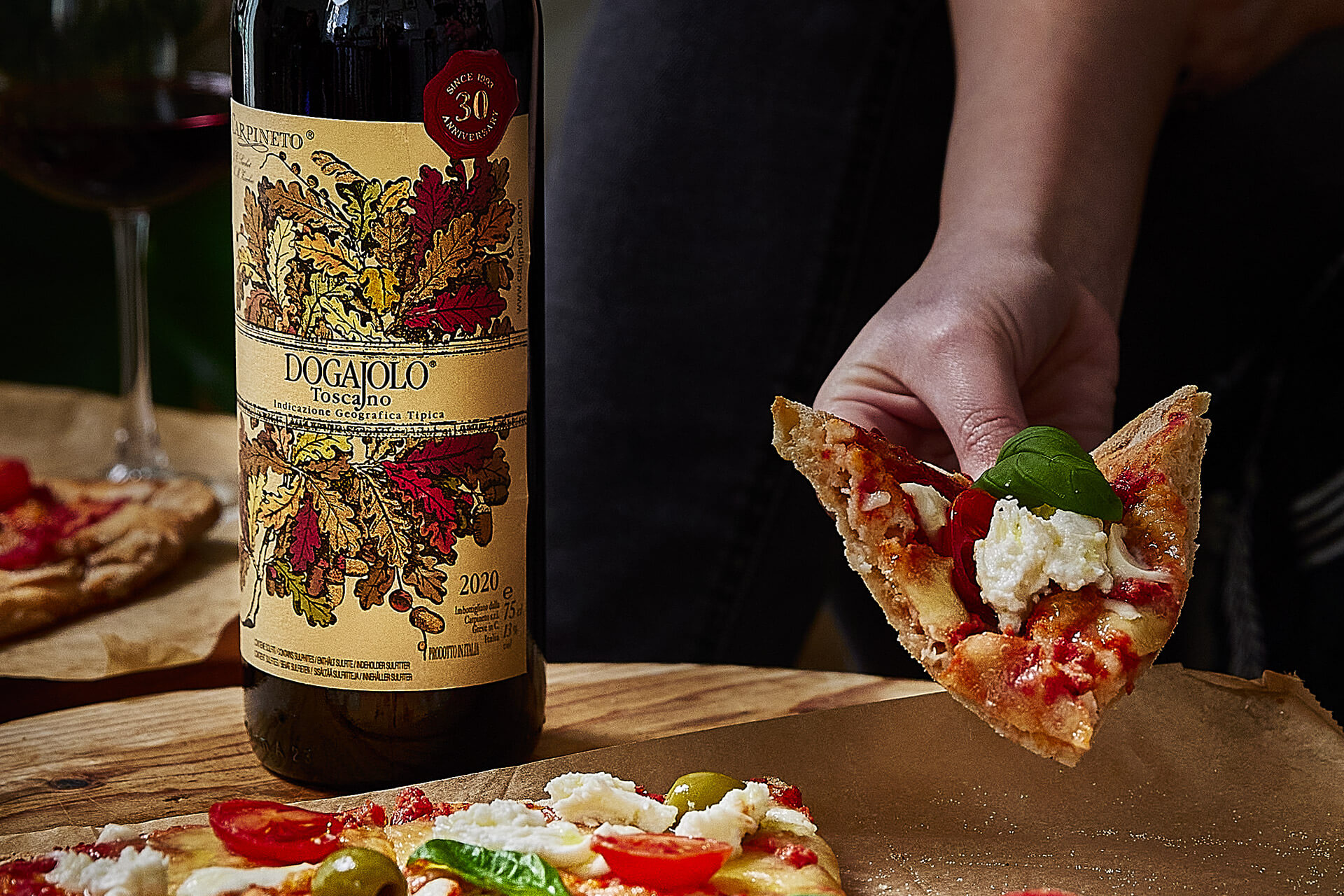
Red Wine: Red wine is generally full-bodied and requires specific temperature conditions in the cellar to prevent damage. Typically, red wine is stored at a temperature between 12°C and 16°C (54°F to 61°F). Some red wines, especially younger ones, can be stored at slightly lower temperatures, but you should avoid going below 11°C (52°F) or exceeding 19°C (64°F).
White Wine: White wine is stored at a different temperature range than red wine. It can be chilled slightly more, with the ideal temperature for still white wine falling between 8°C and 12°C (46°F to 54°F). For sparkling wines, the recommended temperature for enjoyable consumption is around 10°C (50°F).
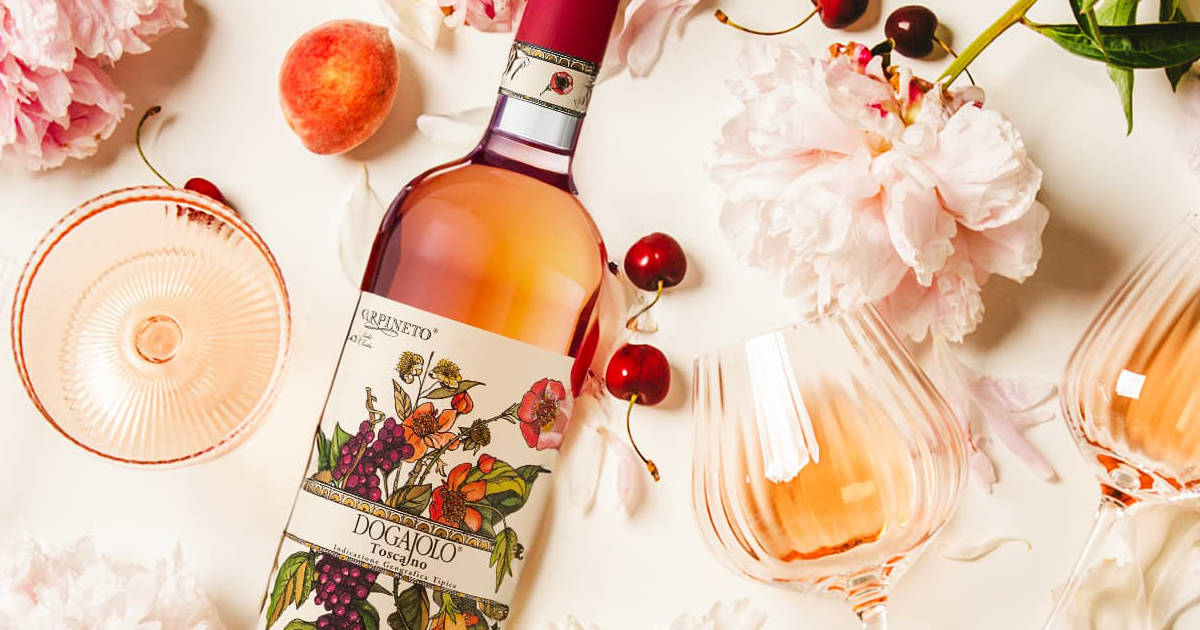
Rosé Wine: Rosé wines also have their own temperature considerations. The optimal storage temperature is between 10°C and 12°C (50°F to 54°F), but they can also be served slightly less cold, ranging from 12°C to 14°C (54°F to 57°F).
Besides temperature, several other factors should be taken into account when storing wine in the cellar: Even when sealed, wine bottles are not immune to evaporation, so maintaining a humidity level of 80% to 85% is advisable; Ventilation: The storage room should be free from vibrations and well-ventilated to prevent wine from absorbing undesirable odors. Knowing this information, you are now ready to properly store a good bottle of wine!